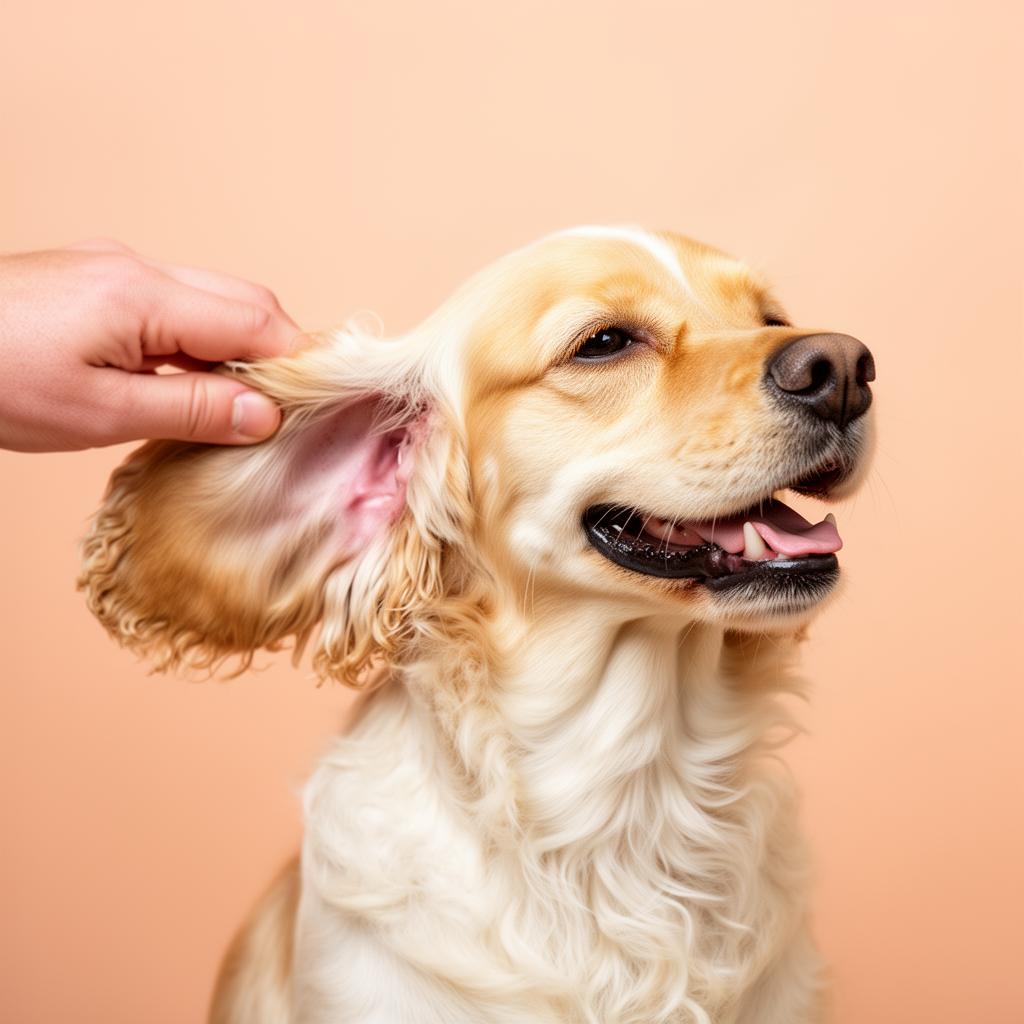
Roughly one in five dogs will develop an ear infection (otitis externa) this year — and floppy-eared breeds like Cocker Spaniels, Bulldogs, Labradors and Cavaliers are far more prone because their canals trap moisture, wax and warmth. Left alone, a mild yeast bloom can escalate into a painful, chronic bacterial infection within days.
Early signs of an ear infection in dogs
- Frequent head-shaking, especially after sleeping or eating
- Scratching or rubbing the ear against furniture and floors
- A sour, yeasty or musty odor inside the ear canal
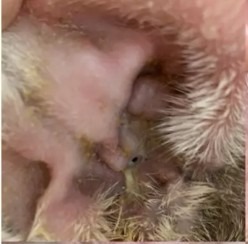
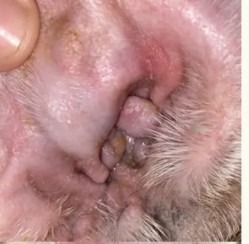
- Brown, black or yellow discharge — wet or waxy
- Redness, swelling, heat, or tenderness when touched
- Tilting the head to one side, or loss of balance in severe cases
Yeast vs. bacterial vs. ear-mite infections
Yeast (Malassezia) infections produce a sweet-sour smell with brown waxy buildup — common in humid weather and floppy-eared breeds. Bacterial infections (often Staphylococcus or Pseudomonas) cause yellow or green pus, sharper pain and stronger odor. Ear mites (Otodectes cynotis) leave a dry, dark, coffee-ground-like debris and are highly contagious between pets. Most chronic cases involve more than one of these at once — which is why single-target steroid drops so often fail.
How natural ear drops work
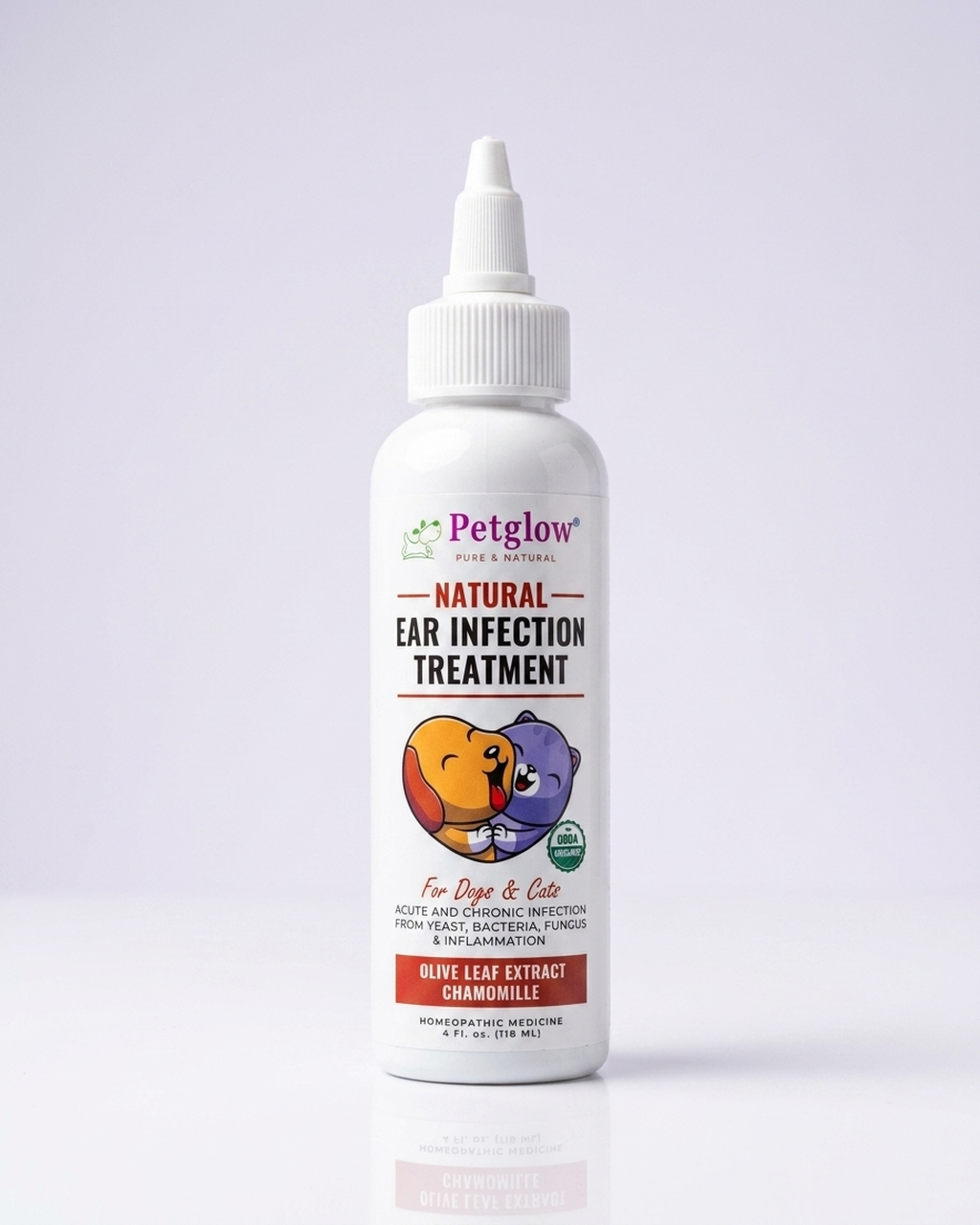
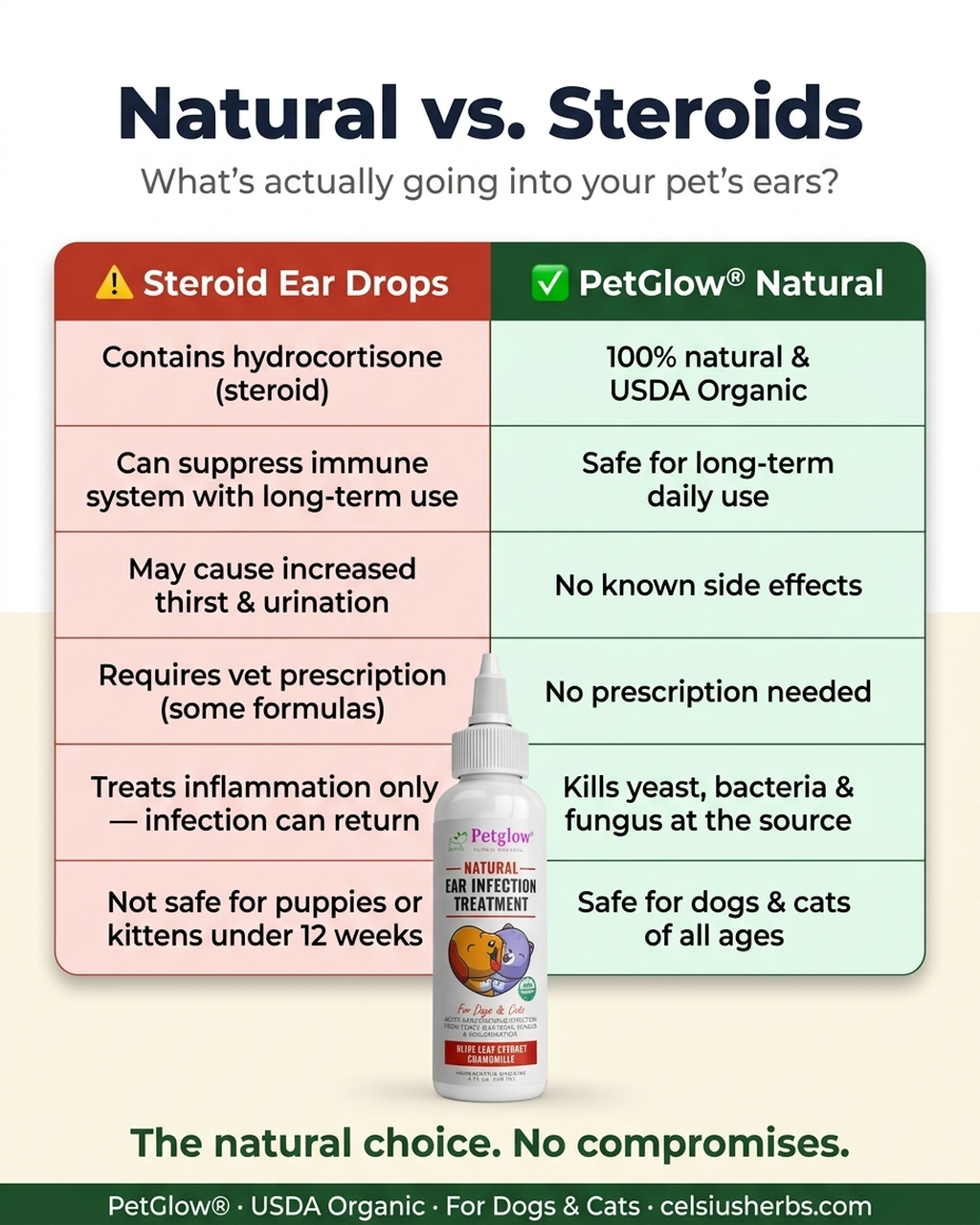
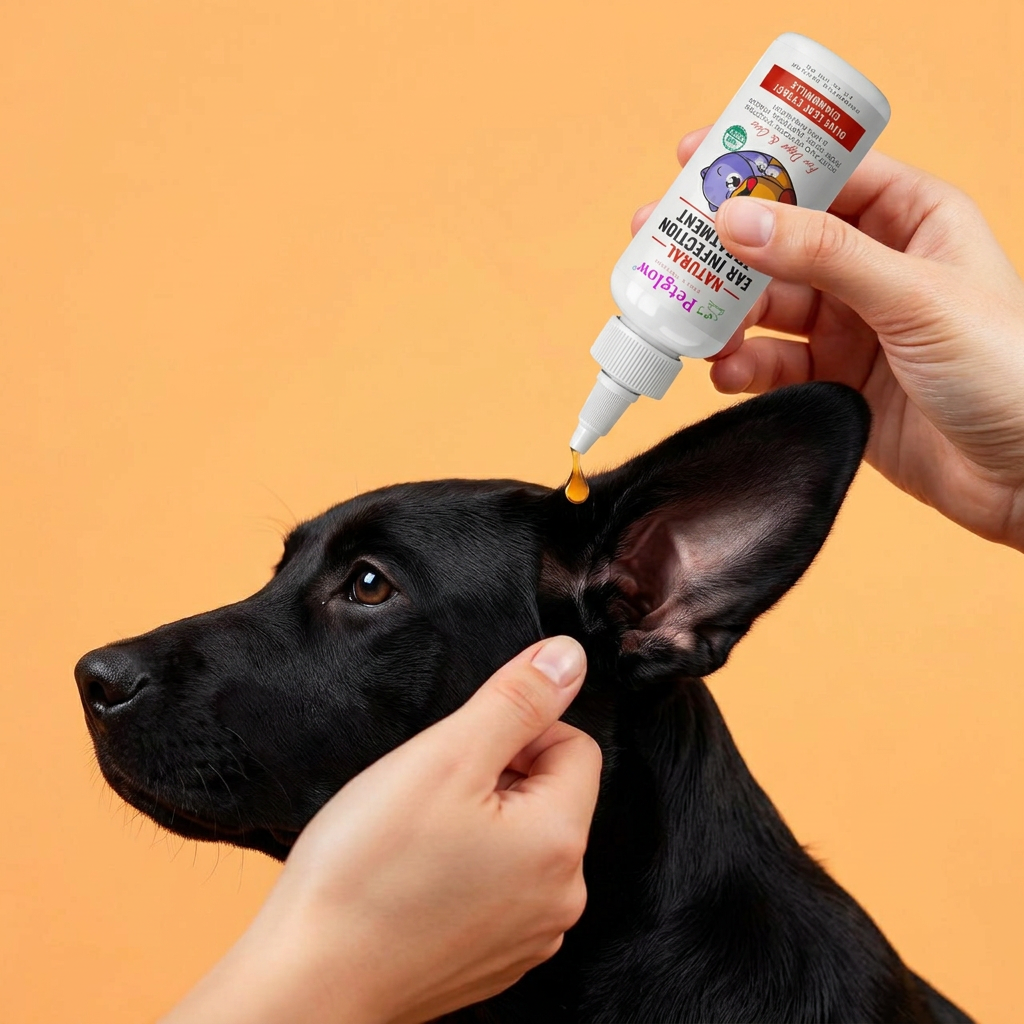
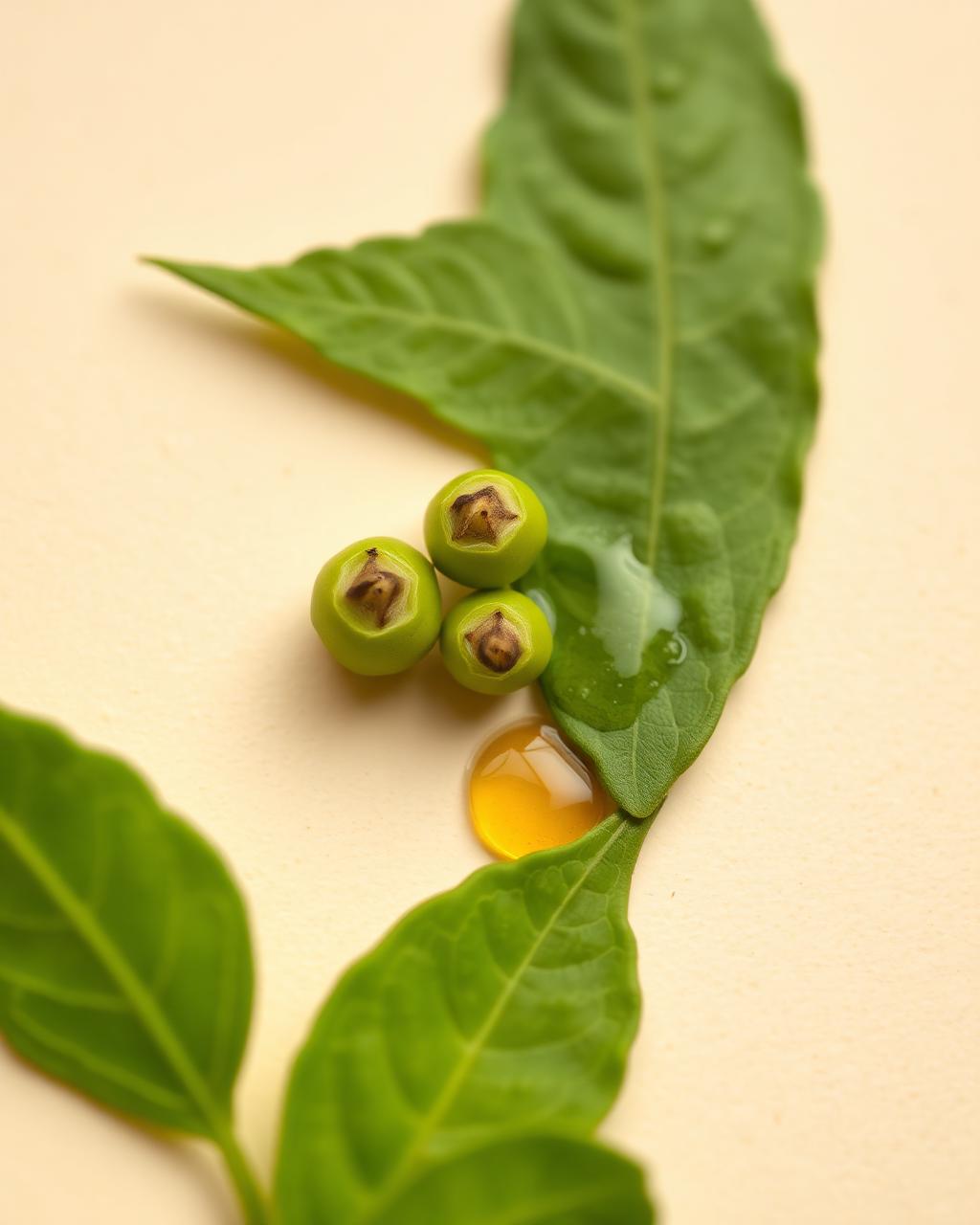
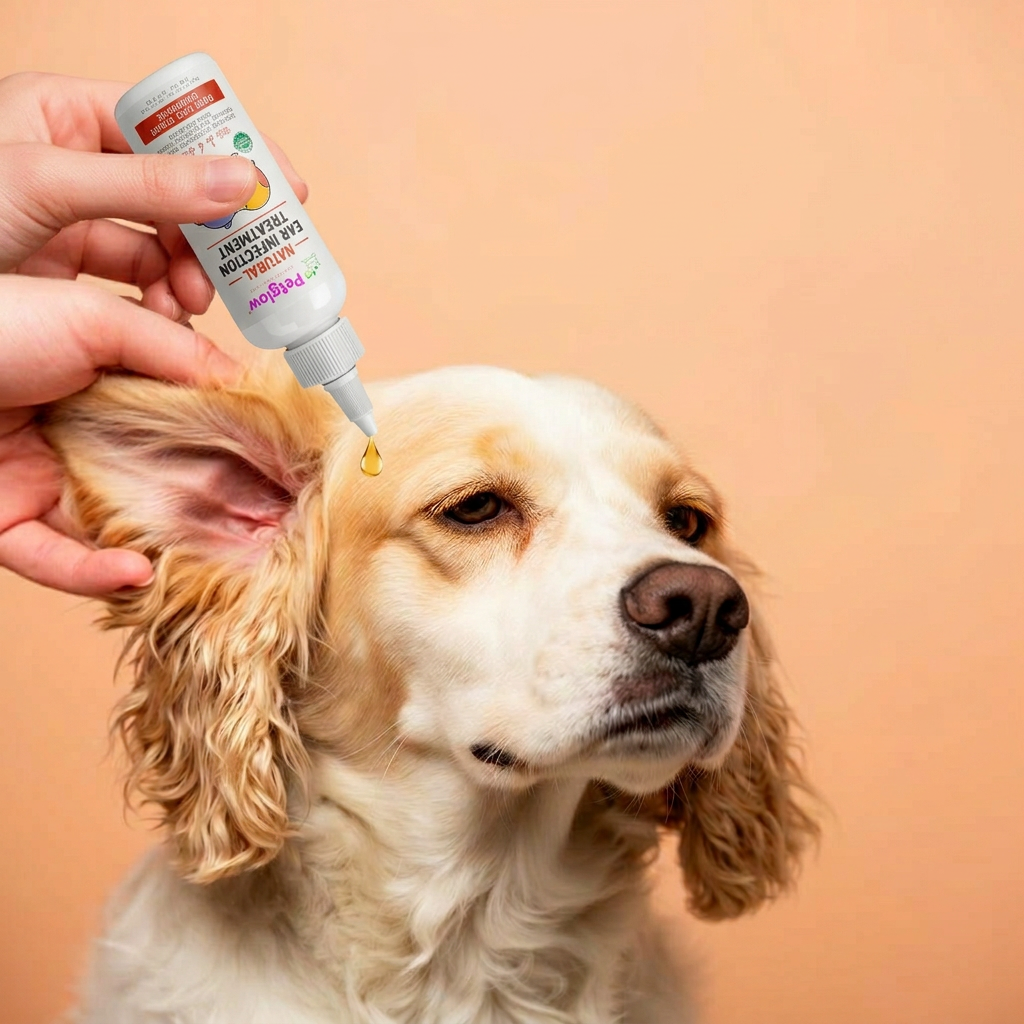
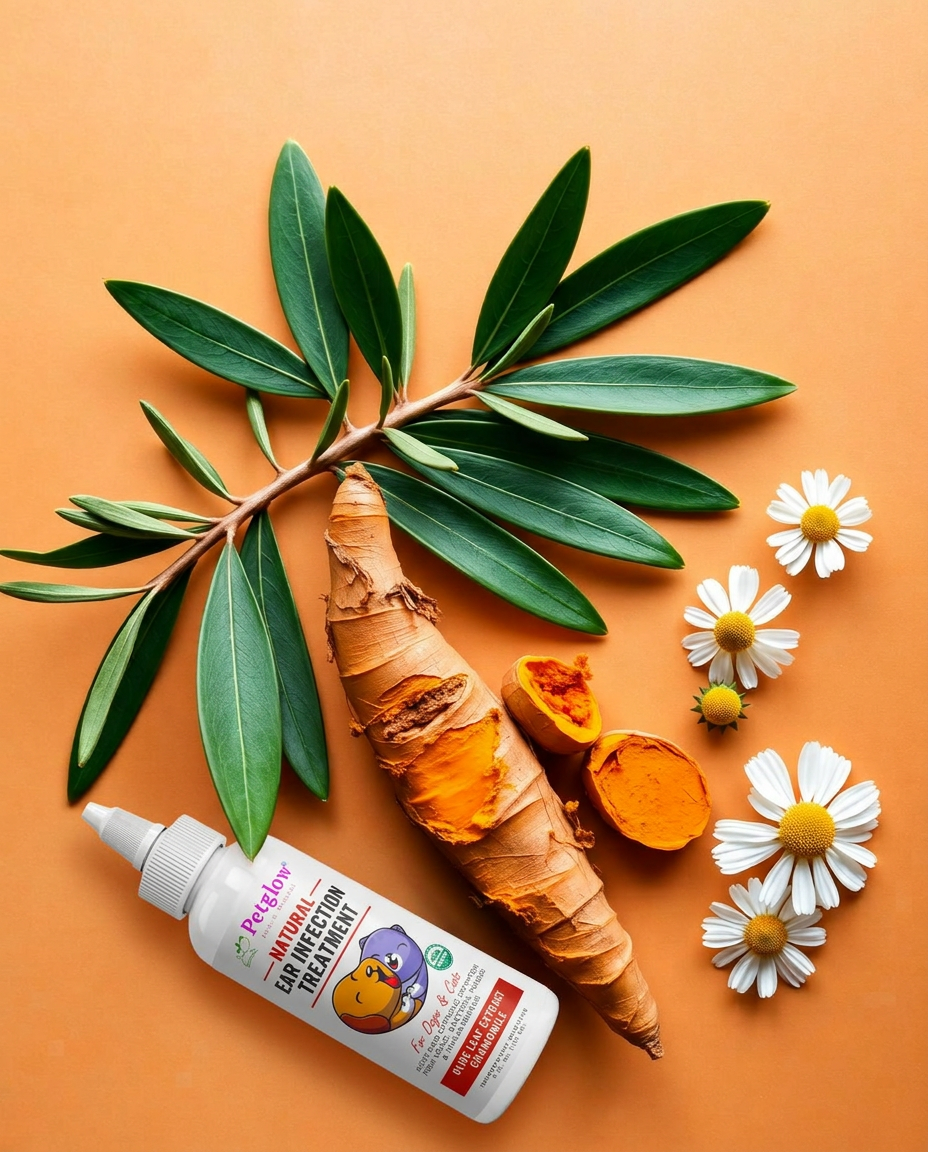
Plant-based ear drops use broad-spectrum botanicals — olive leaf extract (oleuropein), chamomile, turmeric, neem and karanja — to address bacteria, yeast and mites simultaneously while calming the inflamed canal lining. Unlike corticosteroid drops, they don't suppress the immune response, so the underlying infection is actually resolved rather than masked.
When to see your vet
Home treatment is appropriate for mild-to-moderate cases caught early. See a veterinarian within 48 hours if you notice: bleeding from the canal, severe pain when touched, a head tilt that doesn't resolve, hearing loss, facial drooping, or symptoms that don't improve after 7–10 days of consistent treatment. A ruptured eardrum requires prescription care — never apply any drops if you suspect one.
For prevention, check and dry your dog's ears weekly (especially after swimming or baths), keep hair around the canal trimmed, and address food sensitivities — they're the #1 underlying cause of recurring otitis.